
Struggling with discomfort or unwanted odors in your intimate area? Finding the right deodorant for male private parts could make all the difference for your confidence—but let’s be honest, choosing between countless options feels overwhelming. This guide breaks down everything you need to know about men’s hygiene, from top products that actually work to natural solutions you might already have at home. Learn how to apply these products effectively, maintain freshness throughout the day, and address concerns about skin health. Get practical advice that balances protection with comfort, helping you stay fresh without compromising your wellbeing.
Summary
- Understanding male intimate hygiene needs
- Top Safe Products for Male Intimate Care
- Proper Application and Safety Protocols
- Hygiene-First Alternatives
- Medical insights and expert guidance
Understanding male intimate hygiene needs

Men increasingly seek targeted hygiene products for intimate areas due to practical concerns. Discomfort from moisture and odor in the genital region often drives this choice, particularly for those with active lifestyles. Many opt for spray-based solutions that offer day-long freshness while supporting confidence in social or professional settings. These products typically combine gentle protection with subtle fragrance options, though fragrance-free versions exist for sensitive users.
However, standard hygiene products pose challenges for delicate zones. Many contain additives that might irritate thin dermal layers, especially with frequent use. The intimate area naturally maintains a pH around 5.5. Interestingly, some conventional products can alter this delicate balance, potentially causing discomfort. This explains why specialized formulations using cream or powder formats gain popularity, prioritizing health considerations through pH-balanced compositions. Manufacturers now focus on breathable protection that respects the body’s natural equilibrium while addressing odor concerns through innovative product designs.
Top Safe Products for Male Intimate Care
Clinical-Strength Options
Medical-grade solutions address extreme perspiration effectively. These specialized formulas provide stronger moisture absorption and bacterial control than standard products, with many carrying dermatologist endorsements. Notably, they’re designed for those needing advanced protection during demanding routines.
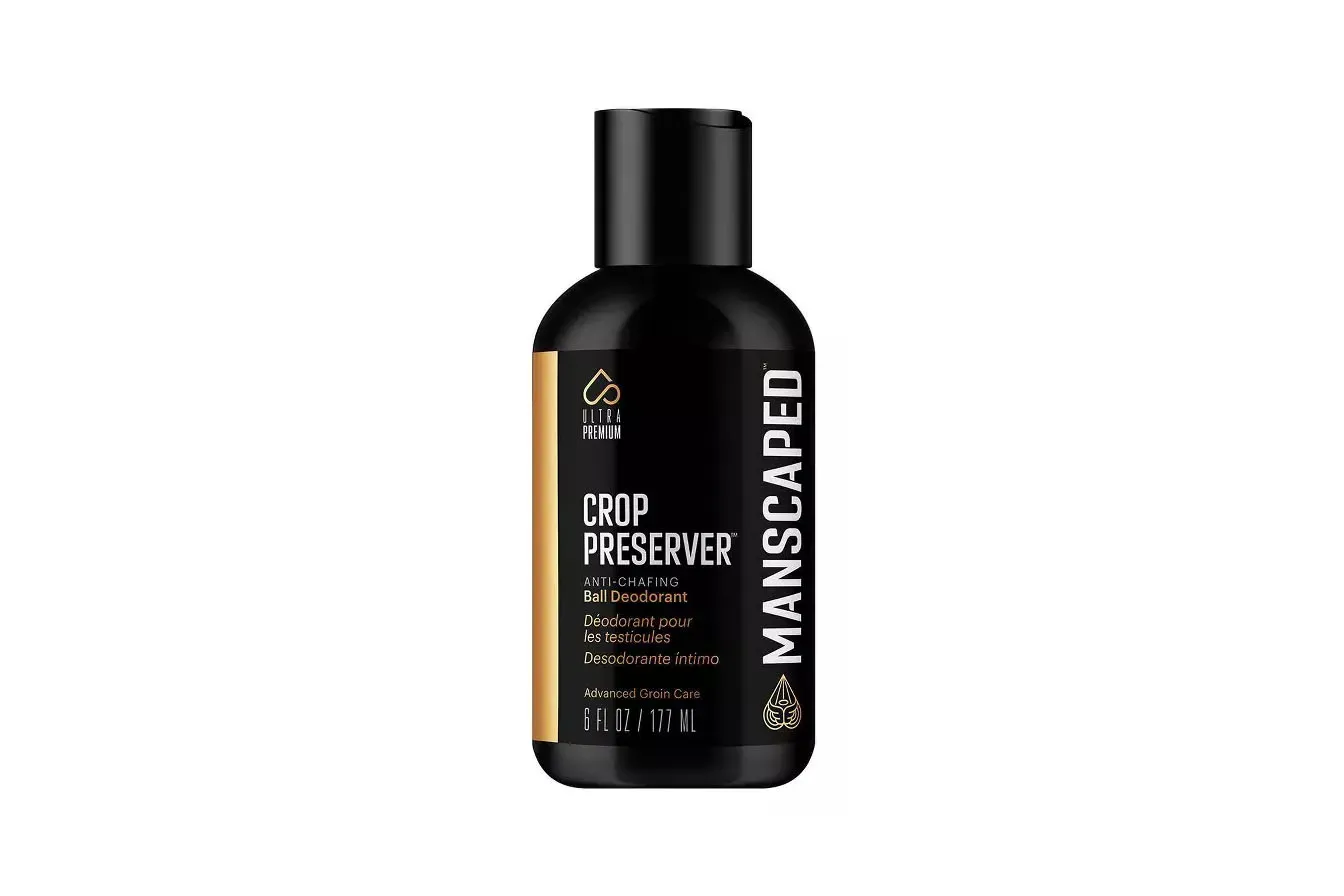
Take Manscaped Crop Preserver as an example – its zinc-based spray formula actively combats bacteria while neutralizing unwanted smells. Users frequently praise its lightweight texture and how it maintains freshness without residue. The inclusion of skin-friendly ingredients makes this spray a practical choice for daily use, particularly when addressing intimate care needs. Interestingly, its subtle fragrance adds discreet confidence without overwhelming the senses.
When selecting intimate care products, prioritize these features:
- Sustained Freshness: Quality formulas should offer 24-hour dryness while minimizing discomfort. Breathable textures matter here – think powders or quick-drying sprays that adapt to movement.
- Bacterial Defense: Effective products target odor sources rather than masking them. Zinc-based compounds or plant extracts often serve this dual role of protection and skin health support.
- Gentle Composition: Alcohol-free creams and fragrance-light sprays prevent irritation in delicate areas. Look for pH-balanced options to preserve natural skin balance.
- Natural Components: Botanical ingredients like aloe vera or tea tree oil in creams and sprays provide soothing benefits. These elements work particularly well in powder-to-cream hybrid formulas.
- Activity Adaptation: Sport-oriented versions might include silicone barriers or talc-free powders. Such innovations prevent chafing during workouts while maintaining product effectiveness.
The right choice blends functionality with comfort – it’s not just about odor control, but holistic intimate health.
Natural Alternatives
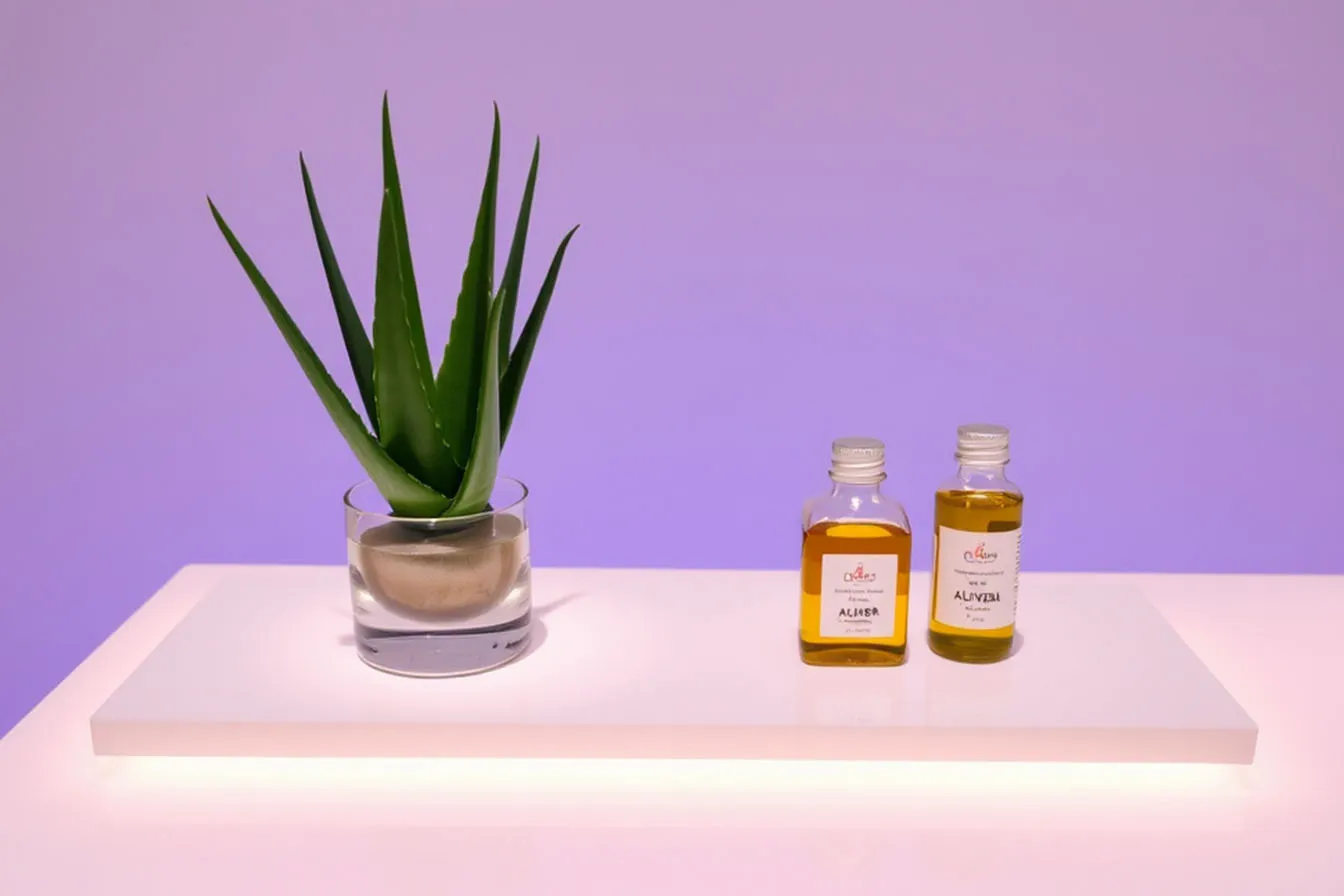
Botanical ingredients dominate this category, with chamomile and aloe vera leading many formulas. These plant-derived components offer gentle care, ideal for reactive skin types. Some sprays in this segment use essential oil blends for light fragrance alongside their protective functions.
Below is an overview of market-leading options:
| Product | Key Ingredients | Benefits |
|---|---|---|
| MANSCAPED® Crop Preserver® | Aloe Vera, Zinc Oxide | Vegan, Antibacterial, Soothing |
| Comfy Boys | Information not available | Odor and bacteria elimination for 24 hours |
| Bioturm Déodorant Spray Intime N°29 | Lacto-Intensive Complex | Information not available |
| Australian Bodycare Intim Deo | Tea Tree Oil | Reduces odor, itching, and irritation |
Note: Always verify ingredient lists with current packaging, as formulations may change. When testing new products like sprays or creams, consider patch testing first.
Sport-Specific Solutions

Active lifestyles demand specialized protection. Anti-chafing technologies in sprays and creams create micro-barriers against friction – particularly useful during endurance activities. Silicone-based formulas have gained popularity for their sweat-resistant properties, often outlasting standard products.
The powder versus cream debate continues. Cornstarch-based powders excel at immediate moisture absorption, making them ideal for high-intensity sessions. Conversely, cream-based products provide longer-lasting protection, with some hybrid formulas offering both benefits. Recent innovations include spray-on powders that combine ease of application with effective protection.
Ultimately, the choice hinges on personal preference and activity type. Many athletes alternate between lightweight sprays for daily use and richer creams for extended training periods, ensuring consistent comfort and skin health.
Proper Application and Safety Protocols
Zone-Specific Usage
To use deodorant safely and effectively on sensitive areas, steer clear of these common missteps.
- Avoid Delicate Membranes: Steer clear of applying spray directly to mucous membranes, as this might trigger significant irritation. Focus instead on external surfaces when using fragrance-based products for protection.
- Excessive Product Use: Overloading the area with cream or powder can clog pores and create residue. A thin layer typically provides adequate protection without compromising skin health.
- Application After Hair Removal: Post-shaving application often causes stinging. Wait before using any spray or fragrance product on freshly groomed skin.
- Rushing Drying Time: Let the product set fully before dressing. This prevents transfer onto fabrics and ensures the cream or powder adheres properly.
- Overlooking Formulation: Scan ingredient lists for alcohol or synthetic additives. Opt for fragrance-free options with natural components to support skin health.
Following these guidelines helps maintain comfort while using specialized products in delicate zones.
Effective application technique matters. Begin with thoroughly dried skin after showering. Dispense a small amount of fragrance-free product onto fingers, gently dabbing it across external surfaces rather than rubbing. Allow absorption before dressing – this prevents cream from transferring to clothing. For powder formulations, use the included puff for even distribution. Remember, proper application enhances both protection and product longevity.
Ingredient Red Flags
Certain components warrant caution in intimate care products. Aluminum derivatives remain controversial despite ongoing debates about their health impacts. Synthetic fragrances frequently trigger reactions in moisture-prone areas, while parabens might disrupt natural flora. When selecting sprays or creams, prioritize formulas for moisture control. Always patch-test new products on less sensitive skin before full application – this simple step helps identify potential irritants while protecting your health.
Hygiene-First Alternatives
Cleansing Techniques
pH-balanced wash routines play a vital role in scent management. For most men, showering once or twice daily strikes the right balance – enough to stay fresh without over-drying. Opt for gentle cleansers that preserve the body’s natural acidity. Many fragrance-free products now incorporate protective ingredients while maintaining freshness, a cornerstone of modern male hygiene.
Surprisingly, fabric choice matters as much as grooming habits. Breathable materials like cotton don’t just wick moisture – they create an inhospitable environment for bacterial growth. This simple switch, combined with strategic use of body powder or cream, offers lasting protection. Health-conscious individuals often pair these methods with targeted sprays, creating layered defense without heavy fragrances.
Medical insights and expert guidance

Dermatologist recommendations
Medical professionals frequently caution against overusing antiperspirant sprays, noting that proper hygiene remains fundamental for managing body freshness. Sudden shifts in natural fragrance should prompt a healthcare consultation. Indicators of microbial imbalance might include unusual sensitivity or redness, where switching to fragrance-free products could help maintain the body’s natural balance.
From a clinical perspective, the antifungal components in certain hygiene products deserve attention. While sprays and creams might temporarily mask scents, they don’t address underlying issues like fungal infections. Tea tree oil-based formulations show promise due to their microbial protection properties, yet they shouldn’t substitute medical treatments. Health experts emphasize that powder-based solutions and breathable fabrics often provide better protection than heavy creams for maintaining comfort.
Taking care of your intimate health starts with knowing your body and finding the right men’s deodorant. Why wait until you’re uncomfortable? It’s worth exploring safe skincare options now to stay fresh and confident where it matters most. After all, your comfort matters—don’t settle for less.
FAQ

Are there any contraindications to using men’s intimate deodorants based on age (adolescence, middle age) or pre-existing medical conditions (eczema, psoriasis, etc.)?
Although research does not detail contraindications by age, it is crucial to adopt gentle intimate hygiene, especially for sensitive skin or in the presence of eczema or psoriasis. Adolescents, with more sensitive skin due to hormonal changes, should favor gentle and unscented products to avoid irritation.
For middle-aged men, whose skin may be drier, the same precautions apply. In the case of eczema, psoriasis, or other skin conditions, the use of intimate deodorants is generally not recommended; it is best to consult a dermatologist for personalized advice.
How do male intimate deodorants affect the natural bacterial flora of the genital area and what are the potential health consequences?
Intimate deodorants, even alcohol-free and fragrance-free, can disrupt the balance of the natural bacterial flora of the male genital area, potentially leading to irritation, burns and infections. The disinfectant and antimicrobial agents present in these products can destabilize the natural flora.
Excessive intimate hygiene or the use of aggressive products can increase the risk of fungal and bacterial infections. For healthy male intimate hygiene, it is advisable to use mild, unscented soaps and avoid excessively intense cleaning that can unbalance the flora.

What are the criteria to consider when choosing an environmentally friendly and sustainable male intimate deodorant (packaging, ingredients, etc.)?
To choose an environmentally friendly male intimate deodorant, consider minimalist packaging, made with recyclable or biodegradable materials. Also, opt for reusable packaging to reduce waste.
Opt for deodorants with natural, organic, and sustainably sourced ingredients. Avoid synthetic ingredients that can be harmful to your health and the environment, and make sure products are made by companies with sustainable production practices that reduce their carbon footprint.
What are the signs of an allergic reaction or irritation to a male intimate deodorant, and how to react?
Signs of an allergic reaction or irritation can include skin irritations such as redness, itching, burning, or rashes in the area of application. Allergic contact dermatitis can also occur, often affecting the neck, face, and eyelids.
If a reaction occurs, it is imperative to immediately stop using the suspected product and clean the area with a mild, unscented soap. If symptoms persist or worsen, it is crucial to consult a doctor or dermatologist.