

Tired of choosing between your health and the planet when managing intimate care? The search for an eco-friendly groin deodorant that truly works might seem endlessly frustrating. Let’s explore the evolving landscape of sustainable deodorant packaging—where innovative materials meet thoughtful design to protect both personal wellness and the environment. You’ll discover practical solutions like plastic-free options and biodegradable formulas that deliver reliable freshness, proving you don’t have to sacrifice effectiveness for environmental responsibility.
Summary
- The Rise of Eco-Friendly Groin Deodorants
- Designing for Function and Sustainability
- Understanding Eco-Labels and Authenticity
- Hygiene and Disposal Protocols
- Emerging Directions in Body Care Packaging
The Rise of Eco-Friendly Groin Deodorants
Shifting Consumer Priorities
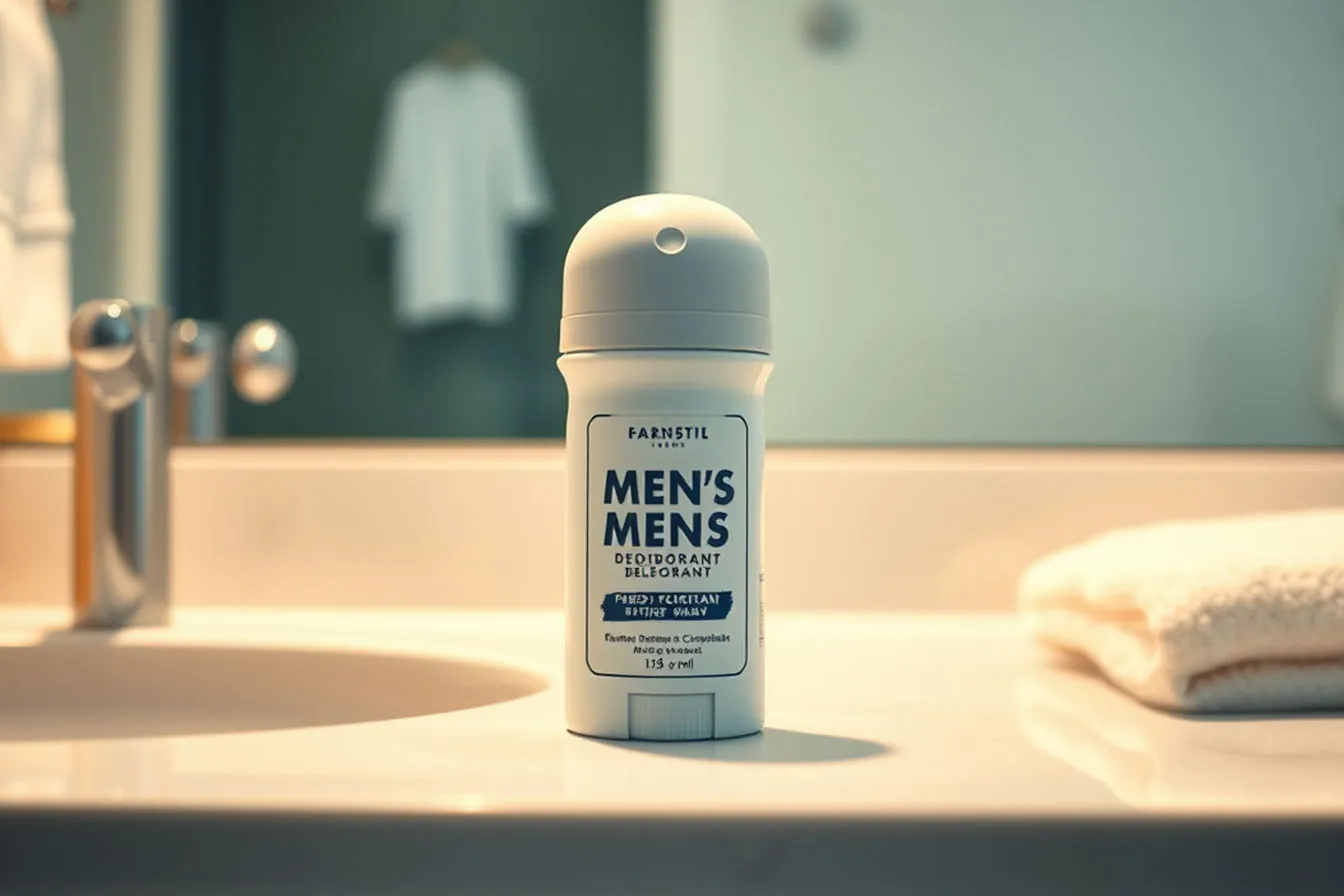
Growing demand for intimate care products balancing effectiveness and environmental responsibility.
Today’s shoppers aren’t just buying body care items – they’re scrutinizing what goes into them. Many men now seek vegan formulas free from aluminium and harsh chemicals, driven by concerns about skin sensitivity and environmental impact. Take antiperspirants: while traditional options block sweat effectively, newer aluminium-free deodorants cater to those prioritizing natural ingredients.
Transparency matters more than ever. People want to know if that bamboo packaging truly biodegrades or if “natural fragrance” means synthetic additives. They’ll check for cruelty-free certifications before trusting a brand’s eco-claims. And let’s not forget functionality – an effective groin deodorant needs to handle odor without irritating delicate skin.
Sustainable Material Innovations
Here’s how packaging evolves to meet both ecological and practical demands:
- Bamboo: This fast-growing plant creates compostable containers that feel surprisingly sturdy. Perfect for housing vegan deodorant sticks while reducing plastic waste.
- Recycled Cardboard: Modern treatments make it moisture-resistant – crucial for products battling sweat and body odor. Some brands even add plant-based antimicrobial coatings.
- Refillable Steel: Durable enough for daily use, these containers slash waste. Just pop in a new deodorant cartridge when empty.
- Biodegradable Tubes: Made from corn starch or sugarcane, they break down naturally without leaving microplastics behind.
- Mushroom Packaging: Grown from mycelium, this innovative material decomposes completely – ideal for eco-conscious beauty brands.
Recent advances in material science help these options withstand humid bathrooms and gym bags. Take coated cardboard – layers prevent warping while maintaining recyclability. For those preferring spray formats, aluminum-free aerosol cans now use compressed air instead of greenhouse gases.
But how do these choices stack up long-term? Stainless steel requires energy for sterilization, while plant-based tubes might need industrial composting. The sweet spot lies in balancing immediate practicality with lifecycle impact – a challenge brands are still working through.
Safety First: Packaging Considerations

| Material | pH Neutrality | Microbial Resistance |
|---|---|---|
| Plastics | Depends on polymer type | Good with additives |
| Glass | Consistent | Excellent when clean |
| Metal | Stable | High with proper care |
| Treated Cardboard | Neutral coatings available | Improved via plant waxes |
| Flexible Pouches | Varies | Moderate to high |
When choosing groin deodorants, consider how packaging interacts with the product itself. Glass and metal prevent ingredient degradation best, while treated cardboard works well for dry formulas. Those prone to sweating heavily might prefer airtight containers over compostable wraps. Ultimately, the right balance depends on your lifestyle and values – whether that’s prioritizing vegan materials, zero-waste goals, or clinical-strength odor protection.
Designing for Function and Sustainability
Moisture Control Engineering
Dual-layer protection systems blending breathability with sweat absorption prove vital for maintaining product performance. But how do seaweed-based barriers actually stack up against synthetic films for moisture management? Emerging solutions like brown algae packaging – think Notpla’s compostable material breaking down in weeks rather than centuries – offer intriguing alternatives. Meanwhile, DS Smith’s experiments with seaweed fibers in cardboard hint at reduced reliance on synthetics, potentially easing soil and ocean contamination.
Consider the reality check from tropical markets: compostable pouches sometimes struggle during monsoon seasons. While certification labels like OK Compost or Ok Compost Home indicate suitability, real-world performance data remains scarce. North American standards through BPI verification help, yet manufacturers must still account for regional humidity differences. The takeaway? Proper certification matters, but climate-specific testing remains equally important for reliable protection.
User Experience Considerations

Ergonomic design proves critical for active users – hence the rise of compact natural deodorant stick formats. Smaller sizes not only save materials but cater to on-the-go needs, as highlighted in this practical guide to ball deodorant. But let’s face it: gym-ready packaging needs more than just size reduction. Discreet application mechanics and locker-room durability become non-negotiable for daily users.
Here’s what truly makes deodorant packaging gym-compatible:
- Durable Material: Packaging should handle the rough-and-tumble of gym bags without cracking or leaking. Robust materials keep the product intact through daily commutes and workout sessions.
- Leak-Proof Design: No one wants exploded deodorant ruining their gear. Secure seals prevent messy spills while maintaining hygiene standards.
- Space-Saving Shape: Streamlined designs maximize bag real estate, letting users pack essentials without compromise. Bonus points for curved edges that prevent snagging.
- One-Handed Use: Quick application between sets matters. Twist-up mechanisms or push-button lids enable hassle-free touchups mid-workout.
- Subtle Aesthetics: Neutral colors and minimalist branding avoid drawing unnecessary attention during locker room changes.
By nailing these practical elements, brands create deodorant solutions that truly support active lifestyles rather than complicating them. The key lies in balancing material innovation with genuine user behavior insights.
Understanding Eco-Labels and Authenticity

Making Sense of Environmental Certifications
Deciphering “biodegradable” versus “home-compostable” labels helps consumers make informed choices. Third-party verifications like FSC certification ensure materials meet specific decomposition standards – but how long do these actually take to break down in real-world conditions? Many beauty brands now offer vegan deodorants in cardboard tubes that balance skin-friendly formulas with eco-conscious packaging. Take Island Deodorant’s compostable packaging, for instance, which uses FSC-certified paper while maintaining effective odor protection.
| Certification | Focus | Key Aspects |
|---|---|---|
| FSC (Forest Stewardship Council) | Sustainable Forestry | Ensures responsible forest management and sourcing of wood-based materials. |
| Cradle to Cradle | Circular Economy | Evaluates products based on material health, material reutilization, renewable energy, water stewardship, and social fairness. |
| USDA BioPreferred | Bio-based Content | Certifies products with a verified amount of renewable biological ingredients. |
| Legend: This table compares certification standards based on their focus and key aspects, aiding in the selection of sustainable packaging options. | ||
Spotting Authentic Sustainability
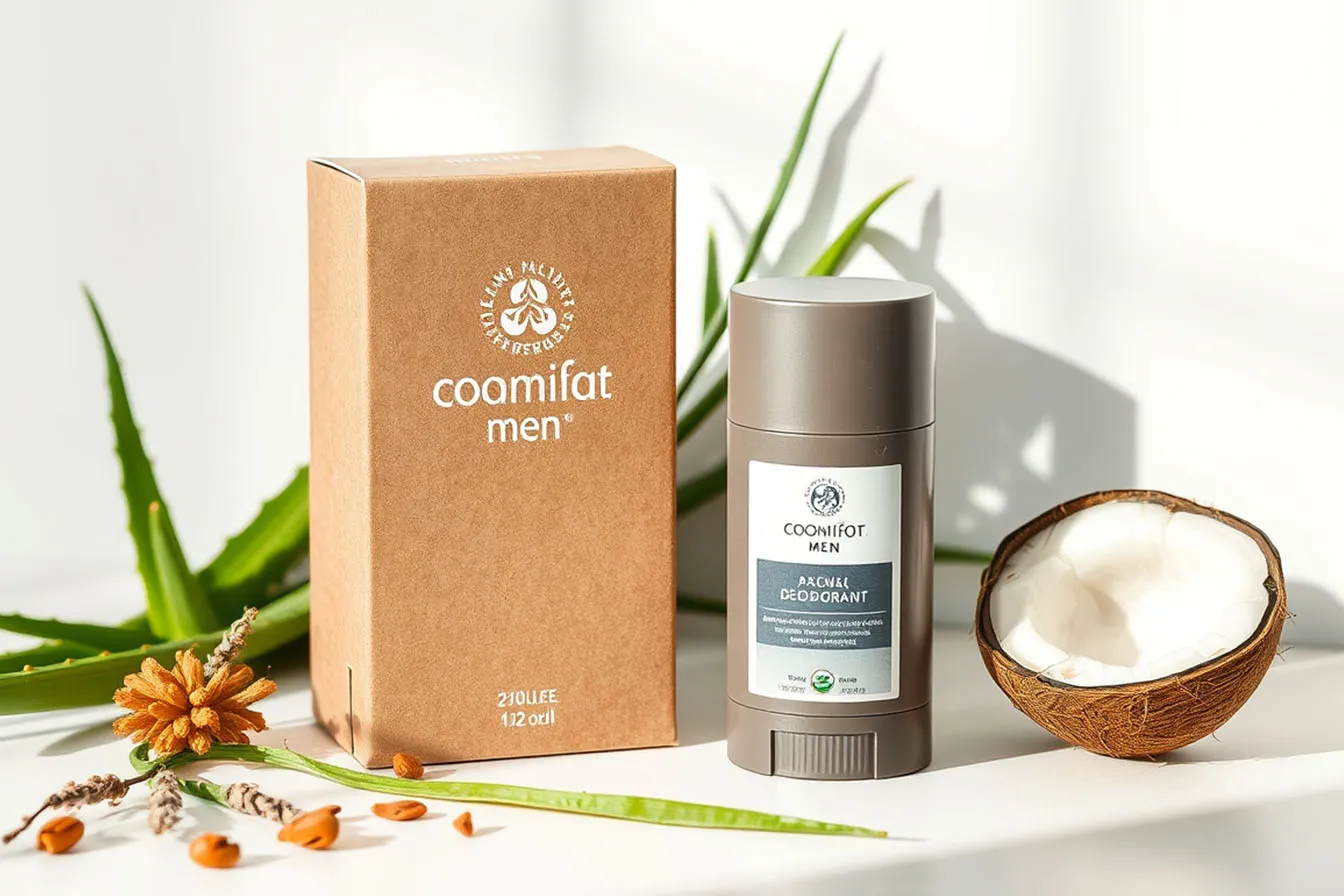
When evaluating “eco-friendly” claims, consider both recycled content and aluminum-free formulations. Did you know many conventional antiperspirants contain aluminum salts that block sweat glands? In contrast, natural deodorants focus on neutralizing body odor through plant-based ingredients. Brands like Saltair combine vegan formulas with recycled HDPE plastic tubes – though what percentage truly counts as sustainable? While there’s no universal standard, men increasingly seek products balancing skin protection with environmental responsibility. Crucially, look for cruelty-free certifications and transparent ingredient lists that avoid synthetic fragrances known to irritate sensitive skin.
Interestingly, some innovative brands combat sweat and odor through mineral-based formulas rather than traditional antiperspirants. These vegan options often use starch powders to absorb moisture while letting skin breathe. For those prioritizing dry underarms, spray formats with natural fragrances offer an alternative to heavy creams. Ultimately, the shift toward biodegradable packaging and aluminum-free deodorants reflects growing consumer demand for beauty products that respect both body and planet.
Hygiene and Disposal Protocols

Safe Disposal Methods
Municipal composting challenges for plant-based packages reveal a gap between eco-intentions and disposal realities. While industrial facilities handle higher temperature thresholds for breakdown, many communities lack access to these systems. Home composting often falls short for beauty product packaging – did you know most domestic setups can’t sustain the temperature needed for proper decomposition? Materials matter significantly here: some plant-based wraps degrade faster in industrial heat, while others require specific microbial activity. For those using aluminium-free deodorants, check if your local facility accepts compostable tubes. Paradoxically, even vegan formulas might leave residue if containers aren’t properly sorted.
Emerging Directions in Body Care Packaging

Smart Packaging Developments
pH-responsive indicators monitoring product freshness now integrate sustainability features. While these systems offer innovation, questions arise about recyclability impacts and energy requirements for sensor networks. Modern solutions include detectors for bacterial activity and temperature shifts, with visual alerts for users. Aluminum-based antiperspirants and spray containers belong in recycling streams when properly emptied. Did you know most municipalities accept rinsed aerosol cans like deodorants and shaving foams? Just remember to separate plastic caps beforehand.
Mycelium-based containers gaining attention decompose into soil nutrients post-use. Though research gaps remain regarding shelf-life implications, these plant-derived solutions align with vegan beauty principles. The shift toward natural ingredients proves particularly relevant for sensitive skin formulations. Many stores now offer trial-sized deodorant options for testing compatibility.
Sustainable Reuse Systems
Opting for eco-friendly groin deodorant packaging means prioritizing your health, daily beauty routine, and planetary care. Start small—check those labels and shop mindfully. Truth is, the future of personal care depends entirely on our everyday sustainable deodorant packaging. Make the switch today—your greener, fresher self awaits.
FAQ

How can brands ensure transparency and authenticity in their supply chains for sustainable ingredients and packaging materials, to avoid greenwashing?
To ensure transparency and authenticity, brands should prioritize traceability and certifications like Cosmos Organic and Ecocert, which guarantee adherence to strict environmental standards. Regular audits of suppliers are crucial to verify their compliance with sustainability and ethical practices, ensuring they meet environmental regulations and maintain fair labor conditions.
Brands must also maintain transparent communication by providing clear details on ingredient origins, manufacturing processes, and certifications, avoiding vague terms and unsubstantiated claims. Investing in sustainable initiatives and collaborating with like-minded partners further demonstrates a concrete commitment to environmental protection and social responsibility, reinforcing consumer trust and brand integrity.

What specific challenges are associated with formulating natural and eco-friendly deodorants that offer effective odor and sweat protection while being gentle on sensitive skin in the intimate area?
Formulating natural and eco-friendly deodorants for the intimate area requires balancing effective odor and sweat control with gentleness for sensitive skin. Natural ingredients must provide antibacterial and absorbent properties to neutralize odors and manage moisture effectively. The formulations must be non-irritating and hypoallergenic, avoiding harsh ingredients like alcohol or concentrated essential oils to maintain the natural balance of the vaginal flora and prevent dryness.
It’s also crucial to use natural, sustainably sourced ingredients that are non-toxic and biodegradable, along with eco-friendly packaging to minimize environmental impact. The absence of controversial substances like aluminum salts and parabens is essential, and products should be tested to ensure both efficacy and safety, particularly for sensitive skin, while maintaining a pleasant, non-sticky texture.
What are the best practices for encouraging consumers to adopt more sustainable consumption and disposal behaviors, such as home composting or returning empty packaging to brands?
To encourage sustainable consumption and disposal, education and awareness are key, informing consumers about the environmental impact of their choices and the benefits of sustainable practices. Offering financial incentives like discounts or loyalty points for composting or returning packaging can motivate participation, while making these processes more accessible and convenient, such as providing affordable composters or simplifying return procedures, is essential.
Transparent communication about a brand’s sustainability efforts and the positive impact of consumer actions can further drive adoption. Collaboration with environmental organizations and municipalities can promote sustainable practices and raise public awareness. Ultimately, empowering consumers to recognize their role in waste reduction and environmental protection, and leading by example through sustainable business practices, can foster lasting change.
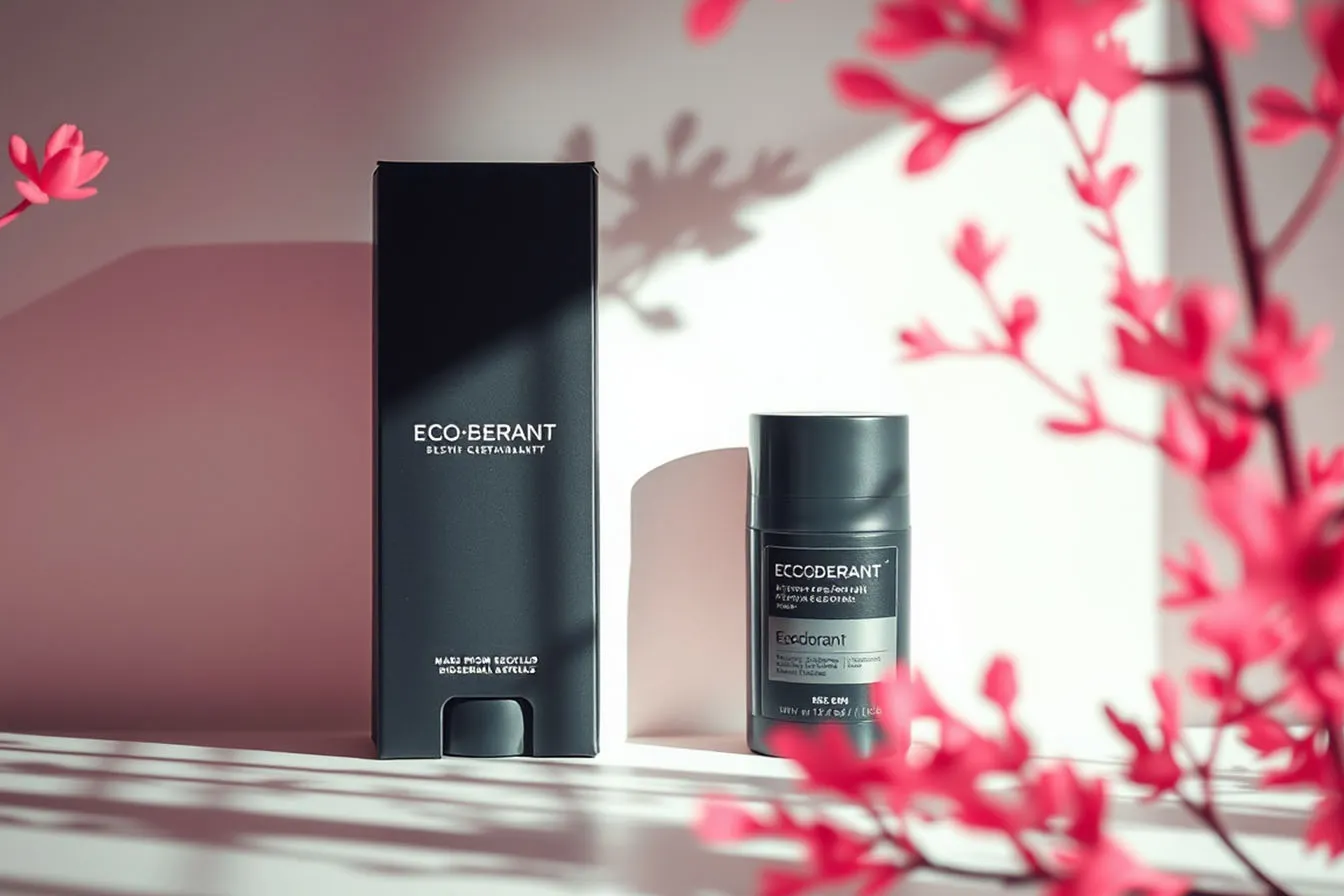
How can packaging design innovations, such as refill systems or water-soluble packaging, be scaled to further reduce deodorant waste and environmental impact?
To reduce deodorant waste and environmental impact, refill systems offer a promising solution. Many brands now provide rechargeable deodorants, including refills for stick and roll-on formats, which can save money in the long run despite a higher initial cost. The increasing importance of sustainable consumer choices drives the potential for widespread adoption of eco-friendly and reusable packaging options.
Companies are also exploring alternative materials like recycled cardboard and bamboo for packaging, with some offering 100% natural deodorants in cardboard packaging to minimize plastic use. Solid or cream deodorants packaged in recyclable or compostable materials further reduce environmental impact, highlighting the importance of innovative packaging design in promoting sustainability.
What alternatives to commonly used deodorant ingredients (like aluminum) are both safe for health and environmentally friendly, and how is their effectiveness proven?
Alternatives to aluminum in deodorants that are safe and environmentally friendly include baking soda for neutralizing odors, though it can irritate sensitive skin. Essential oils provide natural fragrances and antibacterial properties, while cornstarch absorbs moisture effectively. Other alternatives include apple cider vinegar and tea tree oil, both known for their antibacterial benefits, and diatomaceous earth, which absorbs moisture and odors.
The effectiveness of these alternatives is often demonstrated through consumer testing and brand evaluations, highlighting their ability to neutralize odors and absorb moisture. Some brands conduct clinical tests to prove the efficacy of their aluminum-free products, ensuring consumers have confidence in their performance.