
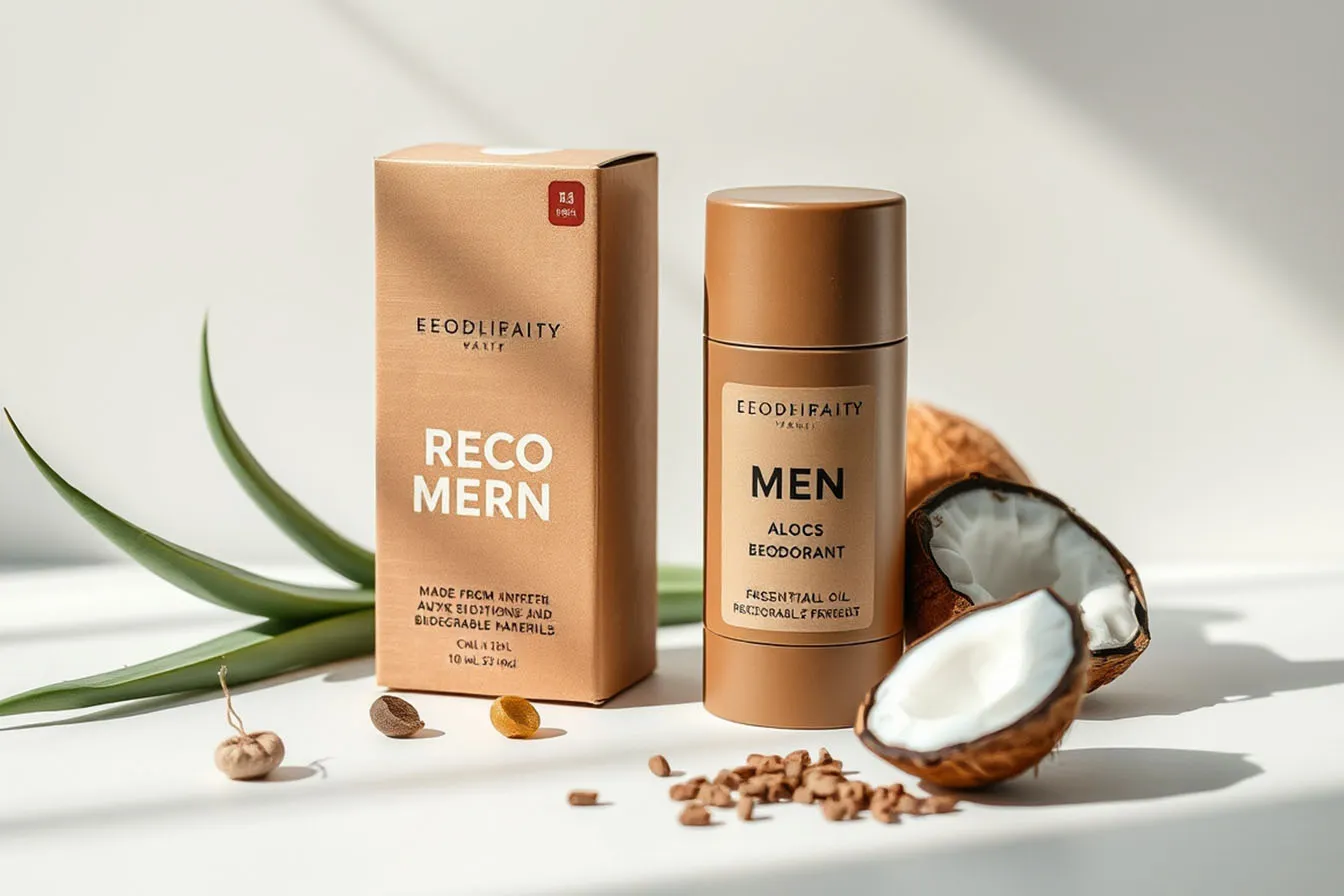
Tired of groin discomfort and wondering if your personal care habits align with eco-conscious values? Let’s face it—traditional solutions often come with both physical irritation and environmental guilt. This article takes a closer look at natural alternatives, spotlighting organic products that balance sustainability with effectiveness. Curiously, going green doesn’t always mean spending more—we’ll unpack how smart choices can benefit both your wallet and wellbeing. Why not give your routine an eco-conscious makeover while keeping performance intact?
Summary
- The Rise of Natural Ingredients in Groin Care
- Eco-Friendly Product Comparison Guide
- Effectiveness Claims Put to the Test
- Budget-Friendly Sustainable Choices
- Ethical Sourcing and Certifications
- Future Innovations Preview
The Rise of Natural Ingredients in Groin Care
Why Organic Components Matter for Sensitive Areas
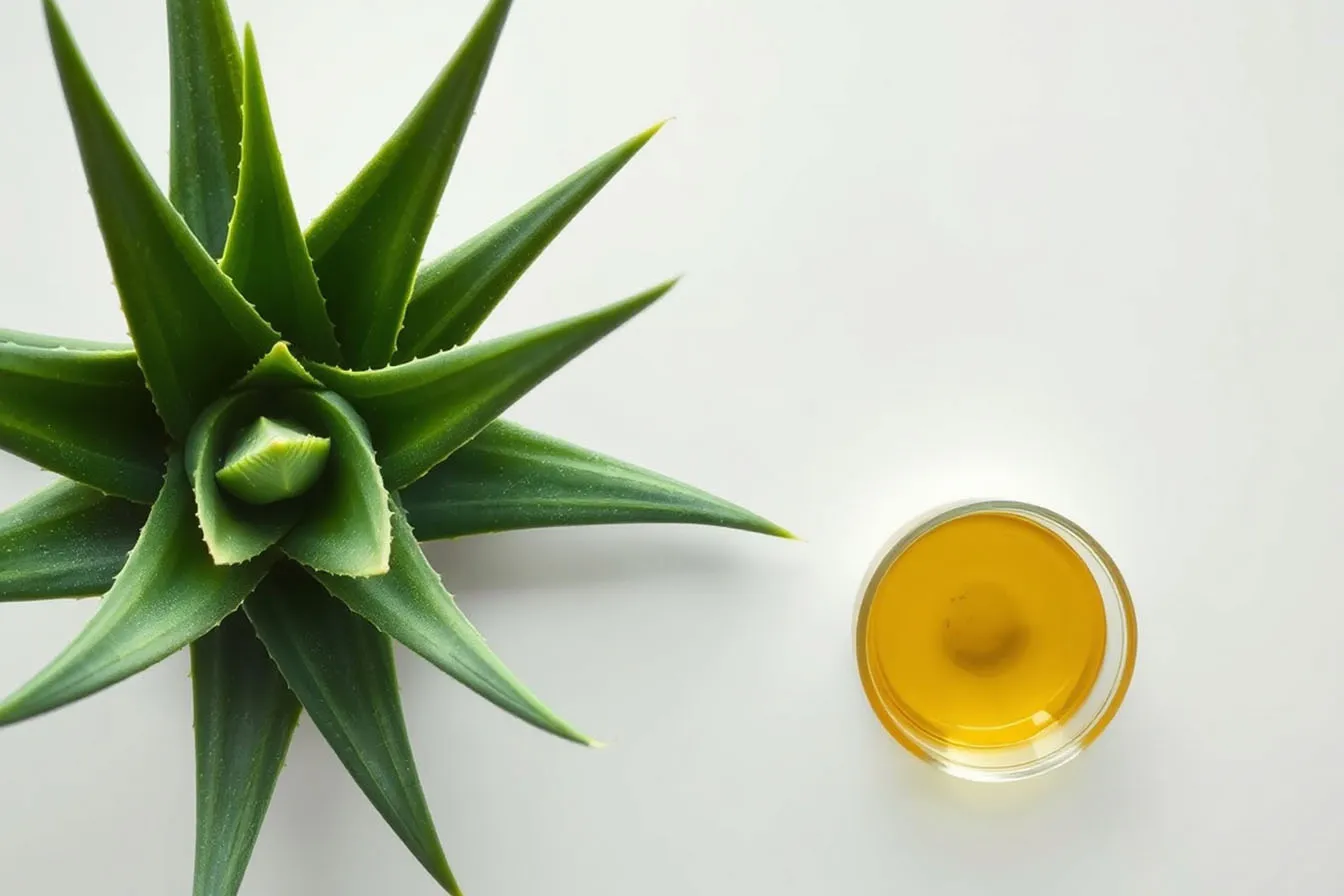
When considering groin care, plant-based ingredients like aloe vera and tapioca starch stand out for their gentle approach. These natural formulas don’t just soothe irritation—they actively support skin health through eco-friendly chemistry. How do they achieve this? By avoiding synthetic additives that disrupt the body’s balance. Take lactic acid, for instance: this vegan-friendly component maintains pH levels while working with the body’s natural processes.
Below are key components found in eco-friendly products, each chosen for their compatibility with delicate skin:
- Aloe Vera: Hydrates and calms irritated skin, making it a favorite in natural body care. Many user reviews highlight its immediate soothing effects.
- Tapioca Starch: A breathable, plant-based alternative to talc that absorbs moisture without clogging pores—ideal for those avoiding plastic-derived powders.
- Lactic Acid: Balances the body’s natural acidity, vital for preventing discomfort in moisture-prone areas. Often featured in vegan skincare lines.
- Plant Extracts: Reinforce the skin’s barrier while minimizing waste through biodegradable sourcing. Popular reviews note their subtle, earthy scents.
- Vitamin E: Extends product shelf life naturally while protecting against oxidative stress. Frequently used in recycled packaging solutions to maintain efficacy.
These selections reflect a shift toward health-conscious formulations that prioritize both the body and environment.
The debate between synthetic and natural preservatives remains relevant. While some worry about shelf life, studies show plant-based stabilizers can rival traditional options when stored properly. The key? Avoiding plastic containers that leach chemicals, opting instead for bamboo or recycled materials.
Effectiveness Claims Put to the Test

Recent clinical trials comparing eco-friendly groin deodorants with traditional aluminum-based formulas challenge assumptions about performance. Surprisingly, many natural alternatives hold up well in sweat tests without the potential irritation linked to aluminum compounds.
Dermatologists increasingly endorse aluminum-free options, citing lower irritation risks and better skin health over time. Their recommendations carry weight, but questions remain about how these products compare in long-term odor and moisture control.
Budget-Friendly Sustainable Choices
What truly convinces buyers? Customer reviews consistently highlight the durability of these vegan-friendly products, noting they withstand repeated washes without losing shape or effectiveness. Interestingly, once users make the switch, nearly all report sticking with eco-friendly alternatives, according to recent market surveys.
Ethical Sourcing and Certifications
Fair Trade Production Practices
Traceability systems for groin care products help consumers understand exactly where their materials come from. Many brands now include lot numbers, tracking the cotton’s journey from farm to final product—often incorporating recycled packaging to further minimize waste.
Recent studies highlight the role of regenerative farming in environmental recovery. Interestingly, 77% of participating farmers report positive outcomes from regenerative agriculture programs, reducing both soil degradation and agricultural waste.
Recognized Eco-Certifications Decoded
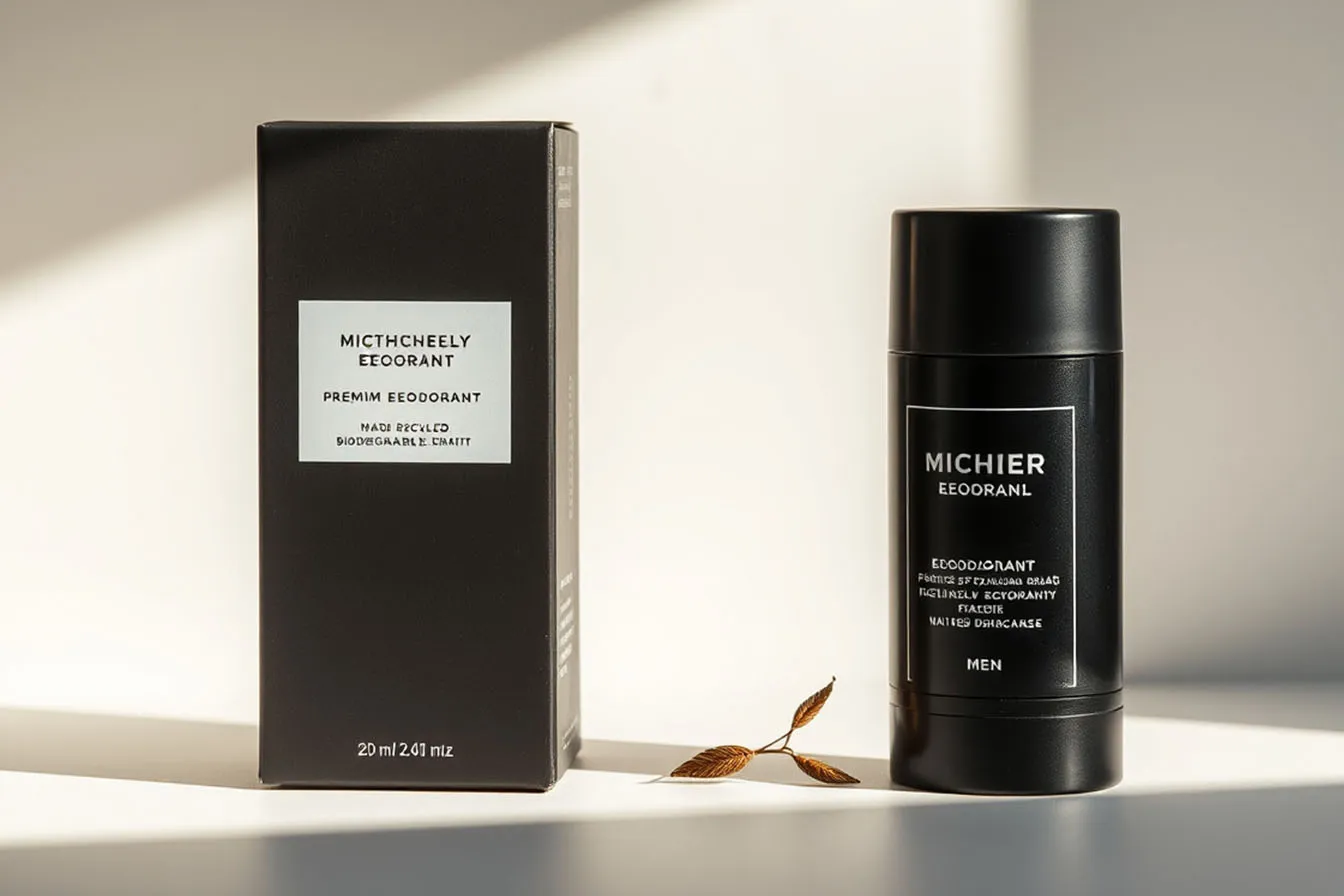
Navigating eco-labels becomes easier when you know what to look for in eco-friendly groin care items. Product reviews frequently highlight certification importance for making informed choices.
- Cruelty-Free Labels: Indicates no animal testing during development, appealing to ethically-conscious shoppers.
- Vegan Labels: Confirms absence of animal-derived ingredients, with many bamboo-based alternatives gaining popularity.
- Organic Certification: Ensures cotton grows without synthetic chemicals, supporting both health and sustainability goals.
- Biodegradability Tests: Validates materials break down naturally, addressing plastic pollution concerns effectively.
These markers help shoppers select products matching their values while considering body-friendly materials.
Independent reviews now play a key role in verifying biodegradability claims, with certification of biodegradability guarantees that the product respects strict standards than regular plastic alternatives.
Community Impact Initiatives
Many brands channel 1% for the Planet funds into groin health education programs. How 1% for the Planet contributions support groin health education demonstrates brand social responsibility while promoting vegan product options.
Consider athletic donations: organizations increasingly provide reusable product donations to athletes lacking access to quality hygiene products. Practical actions like these demonstrate ethics in motion.
Future Innovations Preview

Investment surges in seaweed-based groin care products. Researchers are exploring plant-based antimicrobials solutions that could revolutionize both food safety protocols and reusable packaging. Interestingly, some prototypes incorporate recycled plastic fibers from ocean waste.
The zero-waste packaging movement Consumer reviews consistently highlight demand for body-care products using recycled materials and plastic-free protection layers
When selecting eco-friendly groin products, you’re not just caring for your health—you’re supporting the environment too. Focus on natural formulations and sustainable packaging from responsible brands, as these choices directly impact both skin protection and ecological footprints. Why not make the switch today? Your body—and the planet—will thank you for it.
FAQ
What are the potential risks associated with prolonged use of natural groin care products, particularly in terms of allergic reactions or specific irritations?
Prolonged use of natural groin care products can lead to allergic reactions or specific irritations in some individuals. Although natural products are often perceived as gentler, they contain ingredients like essential oils or plant extracts that can cause adverse reactions, especially in the sensitive groin area.
To minimize these risks, it’s recommended to test products on a small skin area before extensive use. If a reaction occurs, discontinue use and consult a healthcare professional.
How do environmental certifications for groin care products really guarantee a positive environmental impact throughout their life cycle, from production to disposal?
Environmental certifications for groin care products aim to guarantee a positive environmental impact throughout the product’s life cycle. They rely on specifications that promote practices with a positive impact on the environment and society, covering aspects from ingredient origin to waste management.
These certifications can ensure products are free of undesirable substances, minimize environmental impact, and respect animal welfare. Approaches like eco-design and life cycle analysis (LCA) are used to evaluate environmental impact at each stage of a product’s existence.
What are the natural alternatives to traditional antifungals for preventing and treating fungal infections in the groin area, and how does their effectiveness compare?
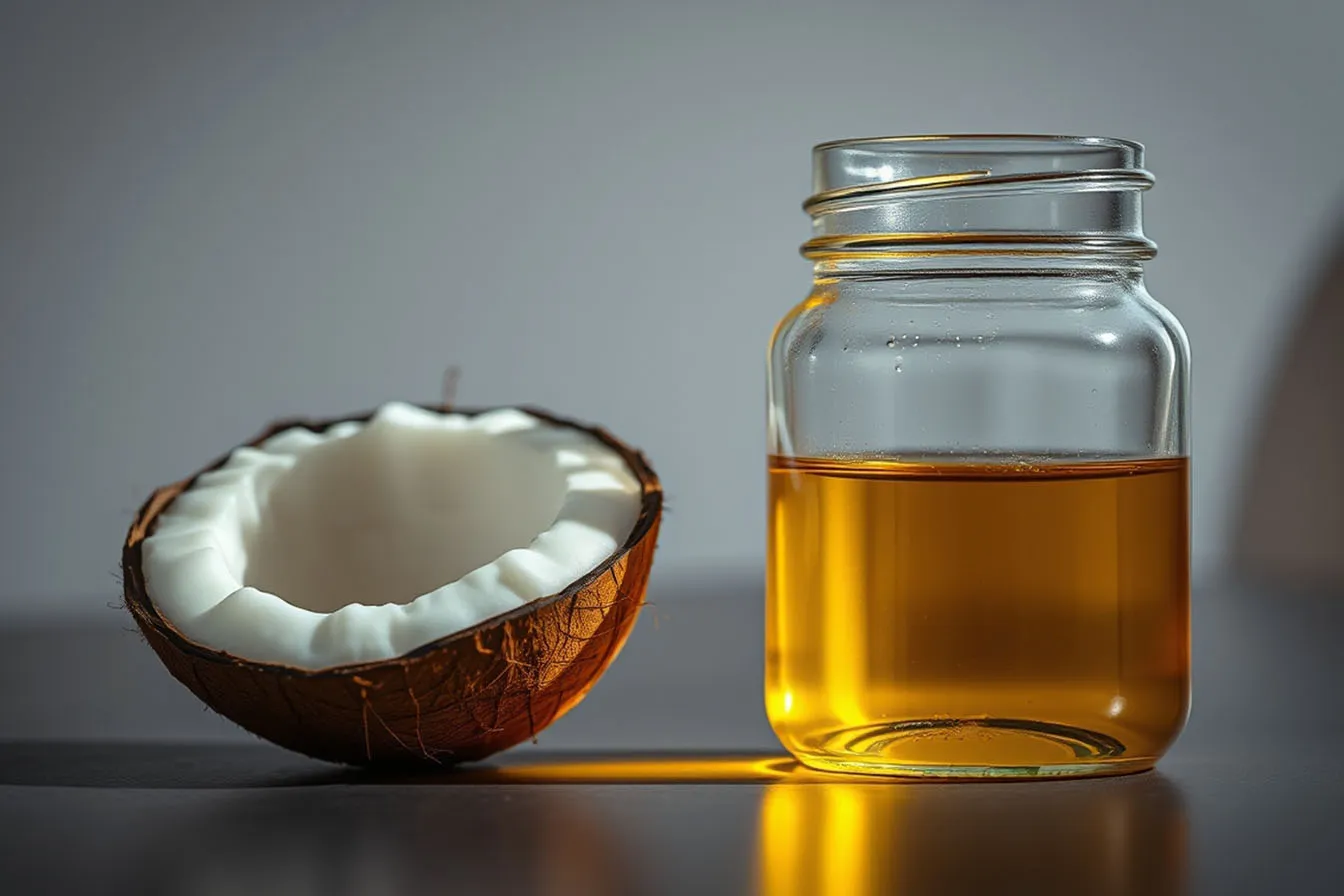
Several natural alternatives can prevent and treat fungal infections in the groin area. Tea tree oil is a potent natural antifungal, effective against skin infection fungi and yeasts. Coconut oil, with its medium-chain fatty acids, also has antifungal activities.
The effectiveness of these alternatives varies with infection severity and fungal sensitivity. For recurrent or severe mycosis, a natural treatment may not suffice, and consulting a healthcare professional is recommended. Essential oils should be used cautiously, often diluted to avoid irritation.
What specific criteria should be considered when choosing ecological groin care products for people with particular skin conditions, such as eczema or psoriasis?
When choosing ecological groin care products for individuals with eczema or psoriasis, consider products with natural and organic ingredients. Vegetable oils like coconut, evening primrose, or borage oil are often recommended for their moisturizing and soothing properties.
It’s important to avoid products containing fragrances, essential oils, or other irritants, as sensitive skin is particularly reactive. Hydration is essential, and consulting a dermatologist is recommended before using new products, especially in severe cases.

How do ethical groin care brands ensure their production practices respect worker rights and safety standards in countries where raw materials are grown or processed?
Ethical groin care brands can ensure respect for worker rights and safety standards by implementing several strategies. These include regular audits of suppliers, transparency in the supply chain, and collaboration with NGOs and fair trade initiatives.