
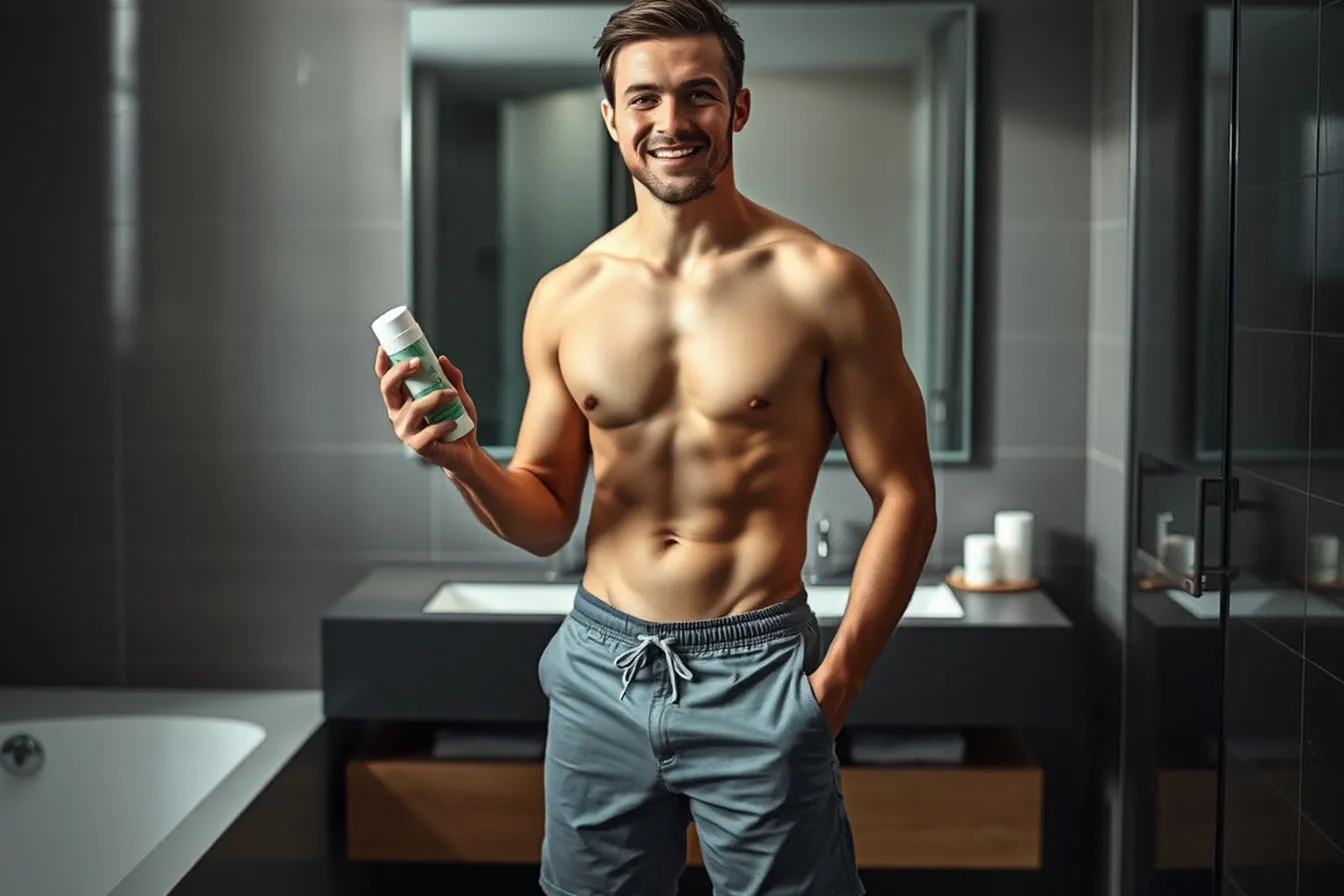
Tired of dealing with “swamp crotch” and stubborn odors? Let’s be honest—finding effective men’s intimate deodorant makes a real difference in daily comfort and self-assurance. This guide examines personal care options thoroughly, discussing ingredient safety, proper use approaches, and plant-based alternatives that actually work against unwanted smells. You’ll learn practical strategies for maintaining freshness while protecting delicate skin in sensitive zones.
Summary
- Understanding Men’s Intimate Hygiene Needs
- Evaluating Deodorant Safety & Risks
- Proper Application Techniques
- Alternative Freshness Solutions
- Expert Recommendations: Top Products
- Maintaining Long-Term Body Health
Understanding Men’s Intimate Hygiene Needs
Why Private Area Odor Occurs
Let’s start with the basics: sweat in the genital area from apocrine glands mainly comes from these glands, which are plentiful here. These glands produce organic-rich moisture that doesn’t evaporate easily, creating ideal conditions for bacterial growth and subsequent odor.
Clearing up common misunderstandings about men’s intimate hygiene helps promote better care practices and prevents potential health concerns. Here’s what many get wrong:
- Myth: Only women need intimate hygiene routines. Truth is, men’s health impacts overall wellness just as much.
- Soap overkill: While cleanliness matters, overdoing it with soap strips away natural oils. Warm water often does the job better for daily maintenance.
- Product mismatch: That body wash in your shower? It might be too harsh for delicate areas. Look for specialized skincare items designed for intimate zones.
- Deodorant dilemma: While vaginal deodorants raise concerns, external groin use follows different rules when using mens-specific formulas.
- Scent risks: That “fresh” fragrance might hide irritants linked to health issues in sensitive areas.
Excess moisture boosting bacterial activity in private areas. Tight clothing and poor ventilation compound the issue by trapping sweat. While mens private deodorant can help manage odor, choosing the right product makes all the difference. The goal? Balance effectiveness with skin safety.
What Actually Works for Sensitive Skin
When selecting intimate deodorants, ingredient scrutiny pays off. Aluminum-free options dominating the best picks for good reason – they minimize irritation risks. Botanical extracts like witch hazel offering natural odor control without harsh chemicals.
| Brand & Product | Key Features | Considerations |
|---|---|---|
| Dove Men+Care | Gentle enough for full-body use, including chest and back | Not specifically tested for intimate zones |
| Comfy Boys | Specializes in mens groin deodorants | Full ingredient disclosure lacking |
| MANSCAPED Crop Preserver | Massage-friendly application for private areas | Avoid direct contact with sensitive membranes |
| Gentlehomme Men’s Private Parts Deodorant | Contains aloe vera for fresh comfort | pH specifics not provided |
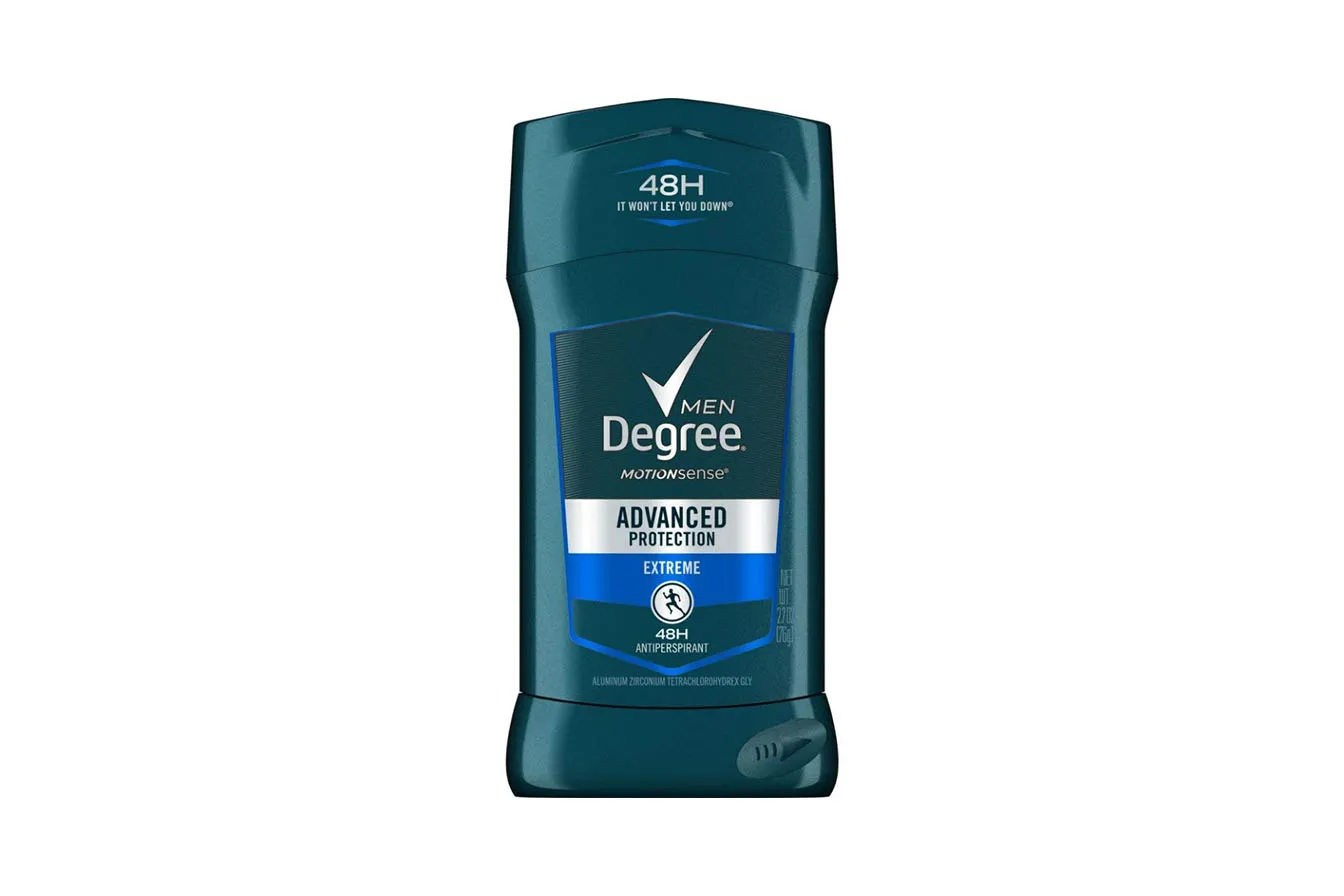
| Degree Men MotionSense | Long-lasting protection (up to 72h) | Check for aluminum content |
| Lume | 72-hour odor control claims | Results vary by individual chemistry |
Maintaining the natural pH balance for intimate health. Harsh formulas disrupt the skin’s protective barrier, which is why pH-balanced options supporting skin integrity are gaining traction. This approach addresses odor concerns – a win-win for men’s skincare routines.
Evaluating Deodorant Safety & Risks
Potential Health Concerns
Documented cases show irritation from improper product use, particularly when applying spray formulas to sensitive body areas. Skin reactions on the torso or underarms remain common complaints. Allergic responses can escalate surprisingly fast – that’s why patch-testing new products matters for men prioritizing intimate-area freshness.
Many deodorants temporarily alter the body’s natural bacterial balance, which plays a significant role in skin health. For those seeking alternatives, recent innovations like fragrance-free creams or powder-based products help maintain microbial harmony. Savvy shoppers now compare brands like Lume that specialize in pH-balanced formulas, recognizing how proper skincare choices support overall wellness. When selecting men’s hygiene products, it’s worth considering how scent intensity and application methods affect your body’s natural defenses.
Proper Application Techniques

Men’s deodorant products require proper application for optimal results. Focus on external body areas while steering clear of sensitive zones – a small amount typically does the trick. When used correctly, these products maintain freshness while supporting overall skin health. Remember, effective skincare starts with mindful product use.
For best results, reach for your deodorant after showering or post-workout. Pat skin dry first – moisture affects how well the formula absorbs. Timing matters significantly; applying when pores are open enhances its fresh scent throughout the day. Many find that combining deodorant with a body spray extends protection naturally. This approach keeps men feeling confident during physical activities without compromising skin comfort.
Alternative Freshness Solutions
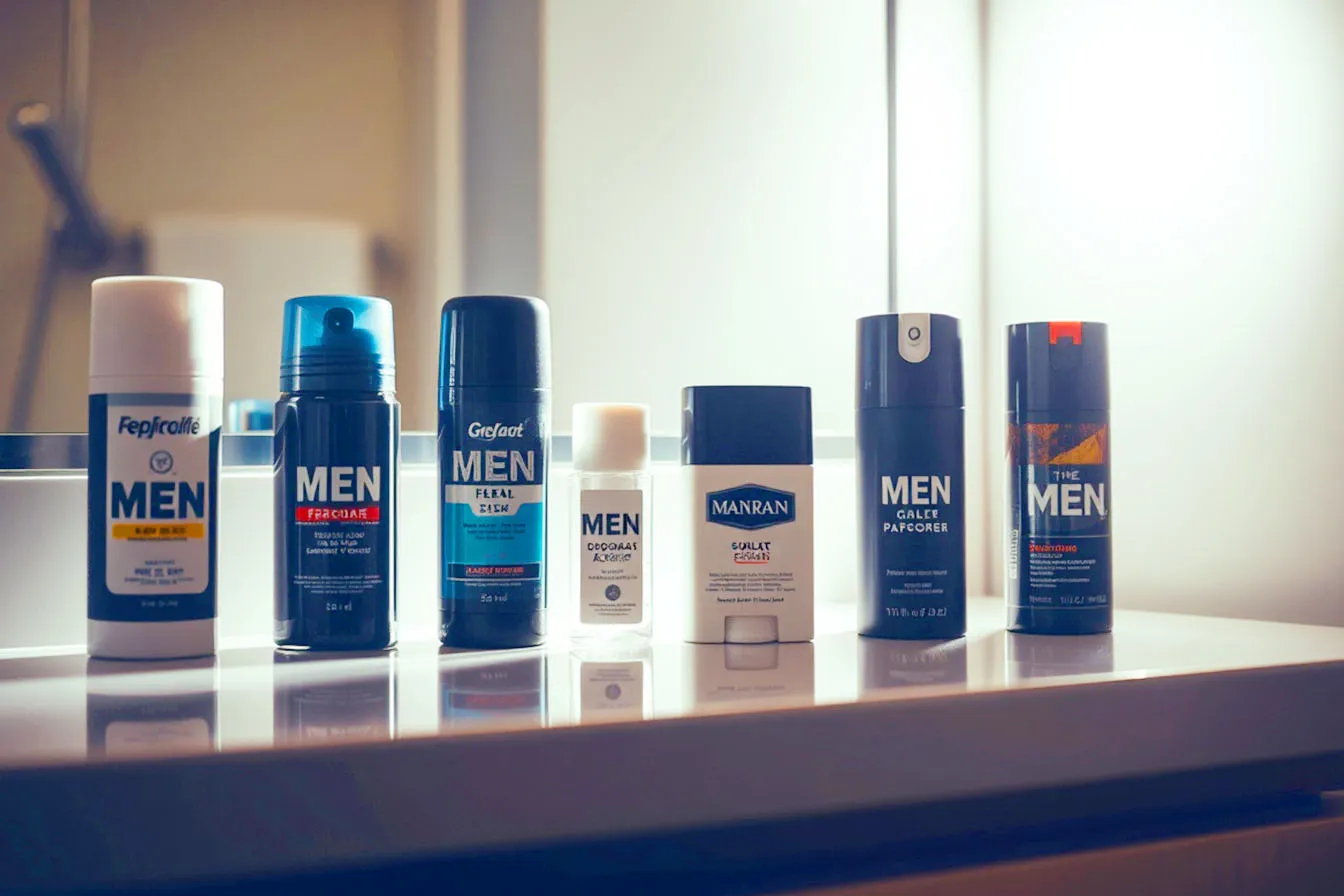
Hygiene-First Approach
Regular cleansing habits play a vital role in minimizing reliance on deodorant. Daily intimate washing matters, but here’s the thing – gentle soaps often handle odor surprisingly well. Proper hygiene isn’t just about basics; it’s the bedrock of maintaining freshness in sensitive areas.
Breathable fabrics like Cool-Lite™ and moisture-wicking polyester make a real difference. Why? They tackle moisture buildup head-on. For those seeking targeted solutions, specialized deodorants for men’s intimate areas combine health considerations with lasting freshness. Discover practical options in our guide: Ball Deodorant: The Ultimate Guide to Fresh Balls, Odour Free and Sexual Health For Men.
Natural Odor Neutralizers

Baking soda, when used carefully, sometimes outperforms store-bought products. Essential oil blends? Their effectiveness varies, but they’re worth exploring for those preferring natural approaches to body care.
While clinical studies are limited, many find these methods helpful. A word of caution though – consulting a dermatologist ensures personalized care tailored to your needs. Remember, what works for one men’s freshness routine might need adjusting for another. Safety first when experimenting with alternative odor control strategies.
Expert Recommendations: Top Products

Clinical-Grade Options
For those with sensitive skin, new clinical-grade formulations meet rigorous safety benchmarks. These medical-grade products offer enhanced protection while maintaining skin health. Did you know prescription-strength versions vary significantly in active ingredients and lasting power? Our detailed guide Deodorant for Private Parts Male: Stay Fresh, Healthy, and Confident compares the best options for intimate care.
When evaluating premium products, consider this: higher prices often reflect advanced research and quality ingredients. A concentrated cream or spray might surprisingly outlast cheaper alternatives. Let’s be honest – price doesn’t always equal value, but in skincare for men, the best products frequently justify their cost through superior performance and skin-friendly formulas.
Maintaining Long-Term Body Health

When to Seek Expert Guidance
Unusual rashes or persistent odors often signal it’s time to consult a specialist. These symptoms could point to infections needing professional care. Early detection remains key for preserving body health over time and avoiding complications. Remember – timely action makes all the difference.
New tech tools now track body hygiene metrics more precisely. Advanced sensors monitor skin pH levels, while smart apps suggest product swaps based on your data. These innovations hint at tomorrow’s self-care landscape. The bottom line? Embracing these fresh approaches allows for personalized health management. Keep an eye on the latest innovations from leading brands in intimate skincare.
Here’s the thing—taking charge of men’s intimate health starts with knowing what causes odor, picking gentle ingredients, and sticking to solid hygiene care. Don’t put it off—start exploring natural protection that delivers reliable fresh comfort. Your comfort and confidence matter—they’re worth investing in for the long haul, so think twice before grabbing any mens private deodorant off the shelf.
FAQ

How do diet and hydration influence body odor in the male intimate area, and what dietary changes might help reduce odors?
Diet and hydration significantly impact male body odor, including in the intimate area. Certain foods can intensify body odors, while adequate hydration helps dilute odor-causing compounds for elimination.
To reduce intimate odors, limit spicy foods, garlic, onions, and alcohol. A balanced diet rich in fruits and vegetables can contribute to a milder body odor. Sufficient water intake is crucial for toxin elimination.
What criteria should be considered when choosing an intimate deodorant suitable for intense sports activity, considering perspiration and friction?
When selecting an intimate deodorant for intense sports, prioritize a formula free of irritants like aluminum salts and alcohol. Choose a product that absorbs perspiration and provides a lasting fresh sensation.
Consider deodorants with primarily natural ingredients suitable for sensitive skin, and look for options specifically designed to combat odors, itching, and irritation in the intimate area. Products tested under gynecological control offer added safety.
Can intimate deodorants for men affect male fertility or sperm quality?
Direct links between intimate deodorants and male fertility or sperm quality are not well-documented. However, caution is advised due to the potential presence of chemicals. Some studies suggest that chemical pollutants can impact sperm quality.
Given these concerns, it’s prudent to use such products with caution and consult a healthcare professional if you have any concerns about fertility or reproductive health.

Are there contraindications to the use of intimate deodorants for men in case of specific skin problems such as eczema, psoriasis or fungal infections?
Using intimate deodorants might not be recommended if you have skin conditions like eczema, psoriasis, or fungal infections. Experts advise caution, especially with existing skin issues.
For eczema, opt for fragrance-free, aluminum-free deodorants. If you have itching or dryness, consider tea tree oil-based deodorants for their refreshing and antiseptic properties. Always consult a healthcare professional for accurate diagnosis and treatment of skin conditions.
How do age-related hormonal changes affect odor production in the male intimate area, and how should hygiene routines be adapted accordingly?
Age-related hormonal changes, such as decreased testosterone, can influence body odor, including in the intimate area. Hormones play a role in sweat and sebum production, contributing to odors.
Adapt your hygiene by washing daily with a mild soap designed for intimate hygiene, drying thoroughly, and wearing cotton underwear for better ventilation. Consult a doctor for persistent or unusual odors, as they may indicate an underlying health issue.